Category Archives: jewelry/accessories general
The color for 2010: Turquoise
I have always been fascinated with this gemstone and if I remember correctly, it was the first gemstone I ever worked with!
The ancient Egyptians used turquoise in jewelry. It’s color ranges from greenish-blue or pale sky blue. The name means “Turkish stone” as it came to Europe by way of Turkey. Turquoise was mined more than 6,000 years ago in Sinai and is one of the oldest protection amulets, and was also known as a symbol of wealth in many ancient cultures.
If given a turquoise by a loving friend, that stone would protect the wearer from negative energy and bring good fortune. The turquoise is the symbol of friendship. It also brings peace to the home.
This stone is a very personal and meaningful stone to one who wears it. It takes on the characteristics of the owner.
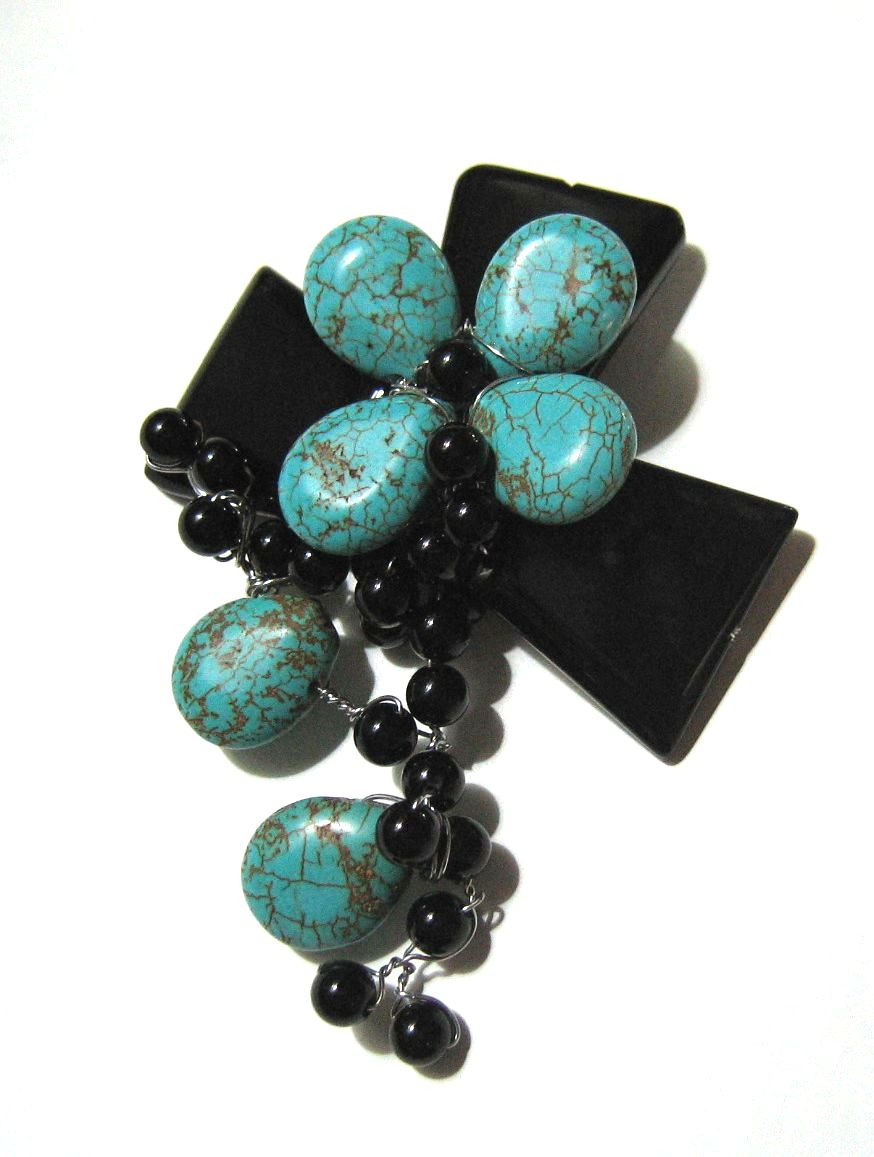
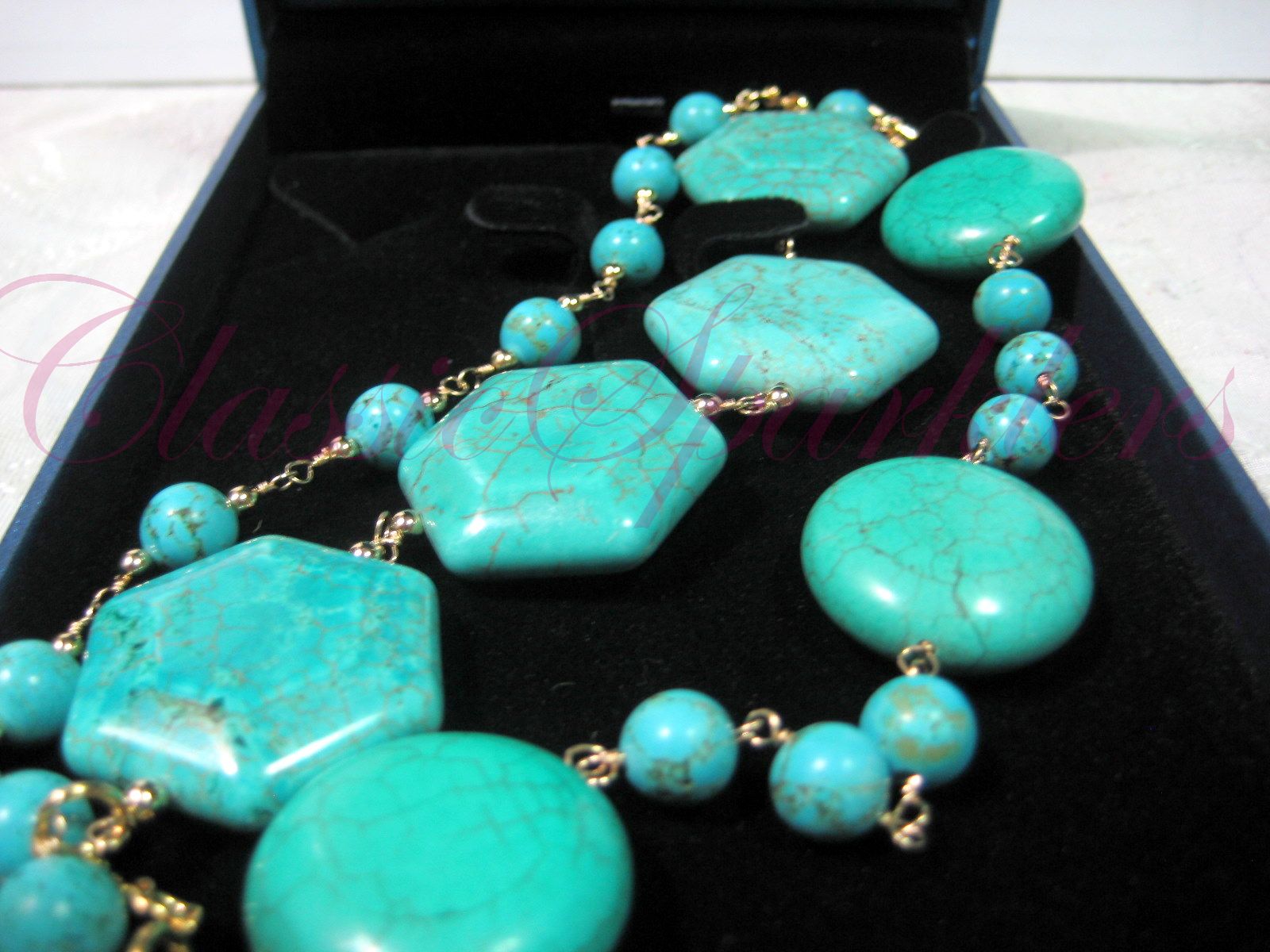
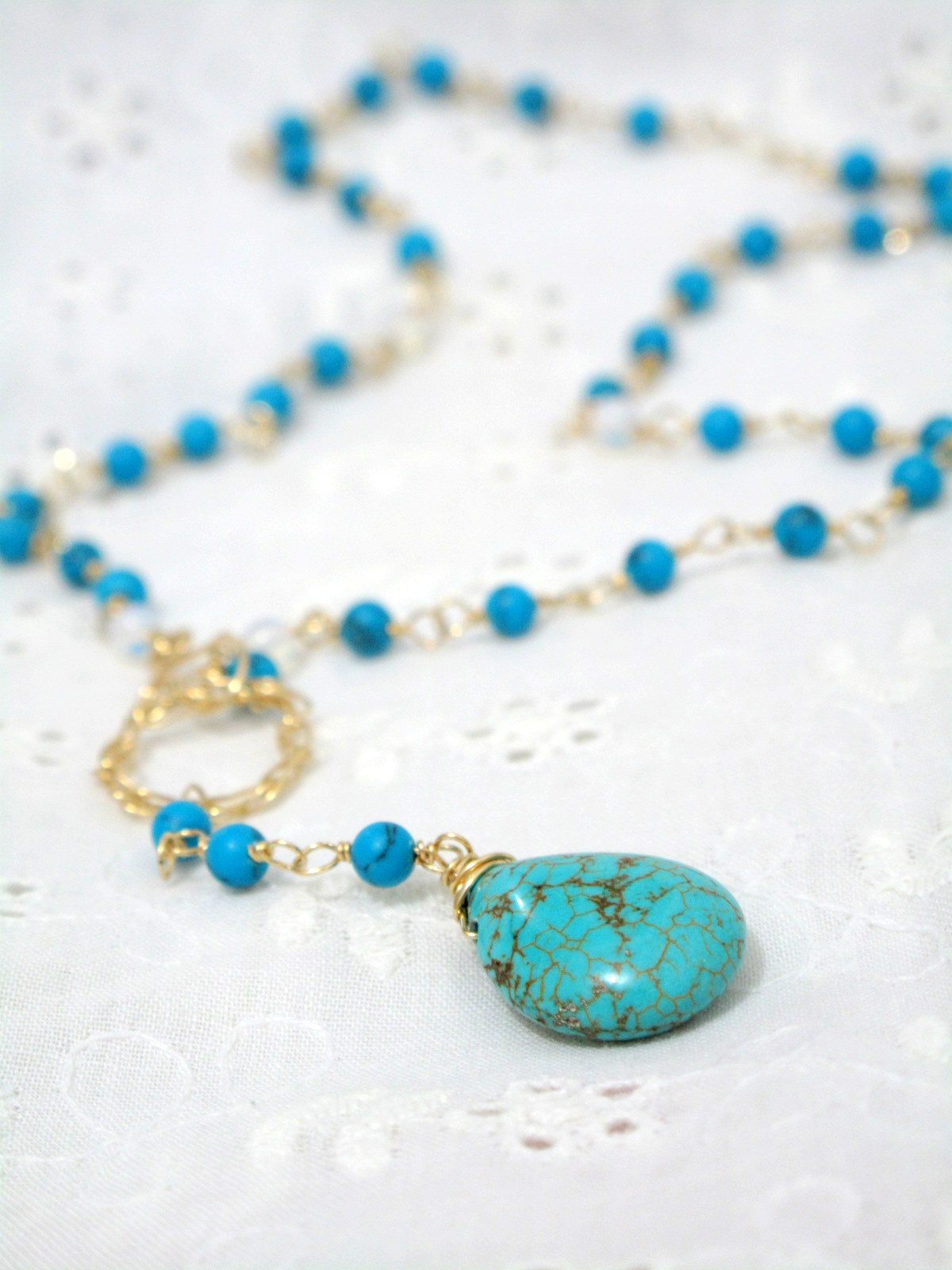
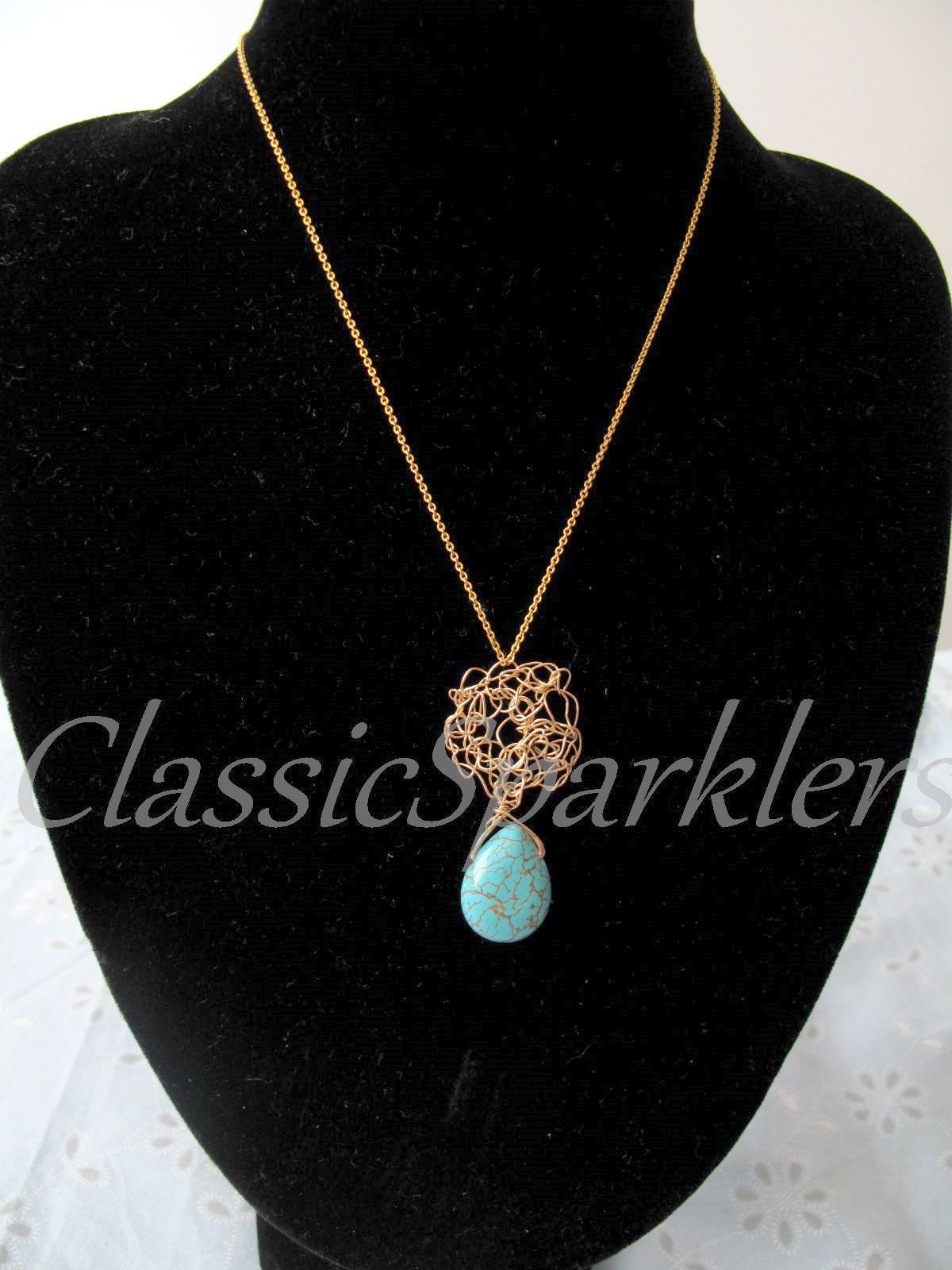
The baghag, one of my daily blog reads, said that turquoise is the color for 2010. And thus, in honor of this beautiful stone, I’d like to share with you a few creations. Enjoy!


Memorable Weddings (1 of 2)
The first wedding client I ever had was my cousin.
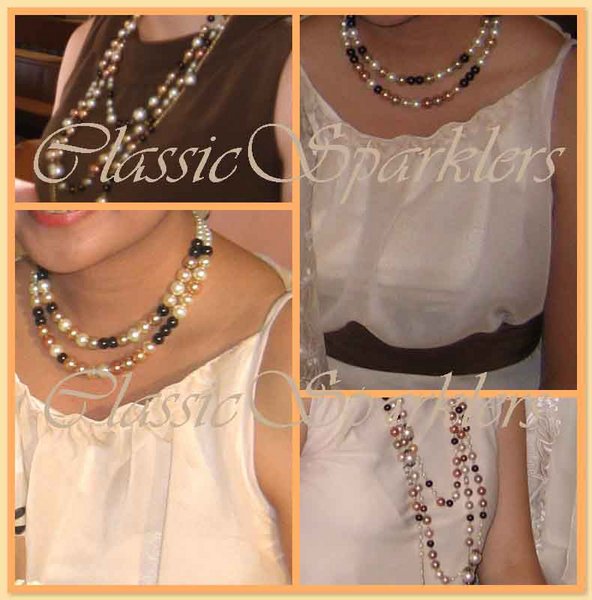
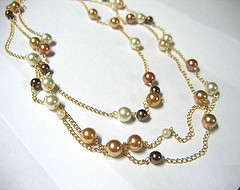
Her request was for me to create an accessory line for her entourage that will go well with their gowns.

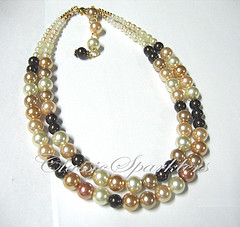
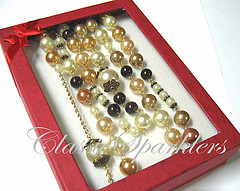
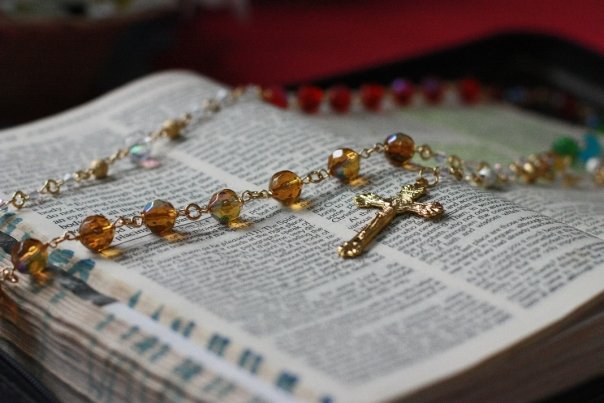
She also asked me to make her wedding cord. This she was very specific. She wanted one in the shape of a rosary so as to put in the altar after the wedding.

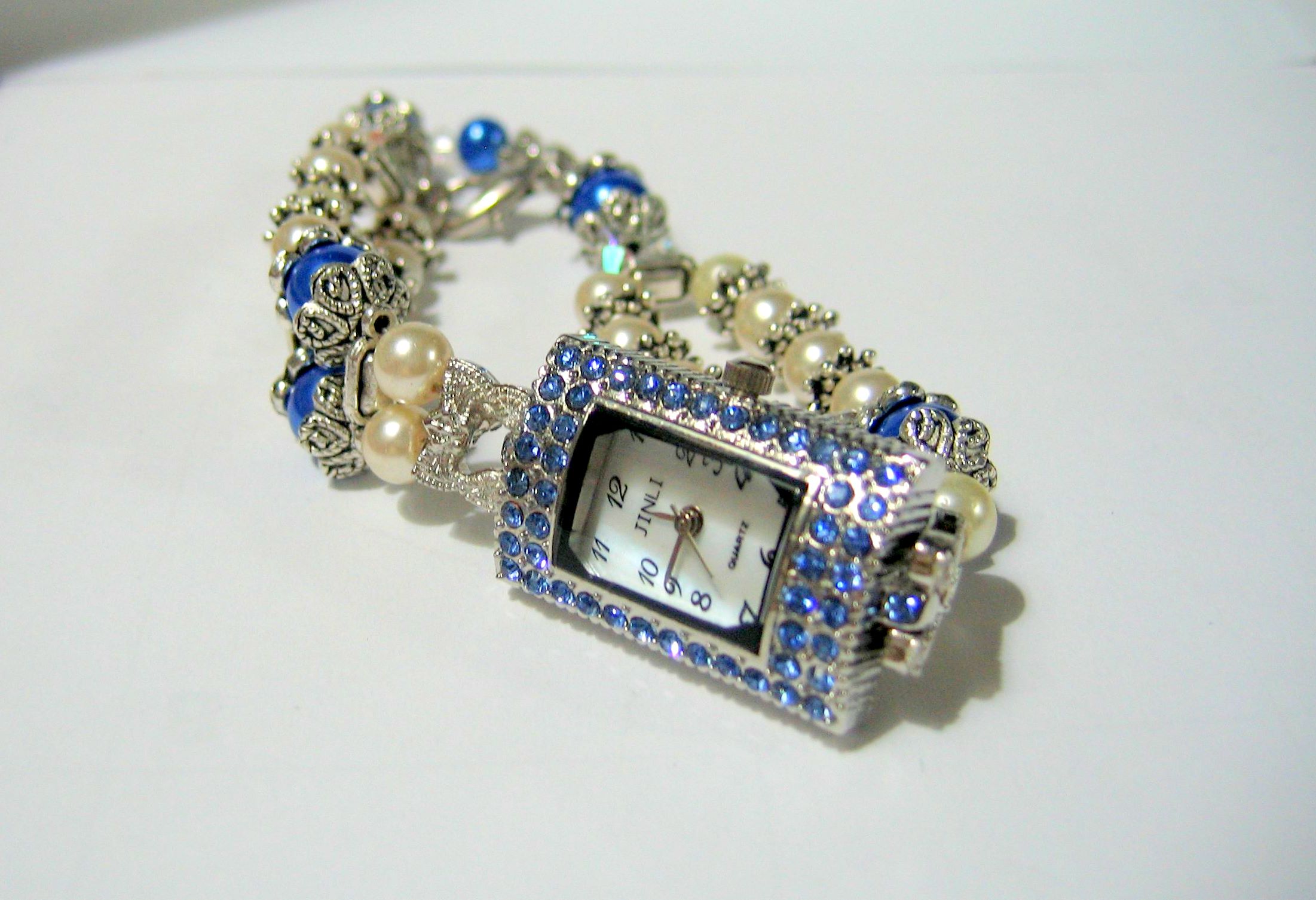
For her, there was the bridal watch. I was very nervous about this. She wanted it stretchable. I can’t find a photo of it, though.
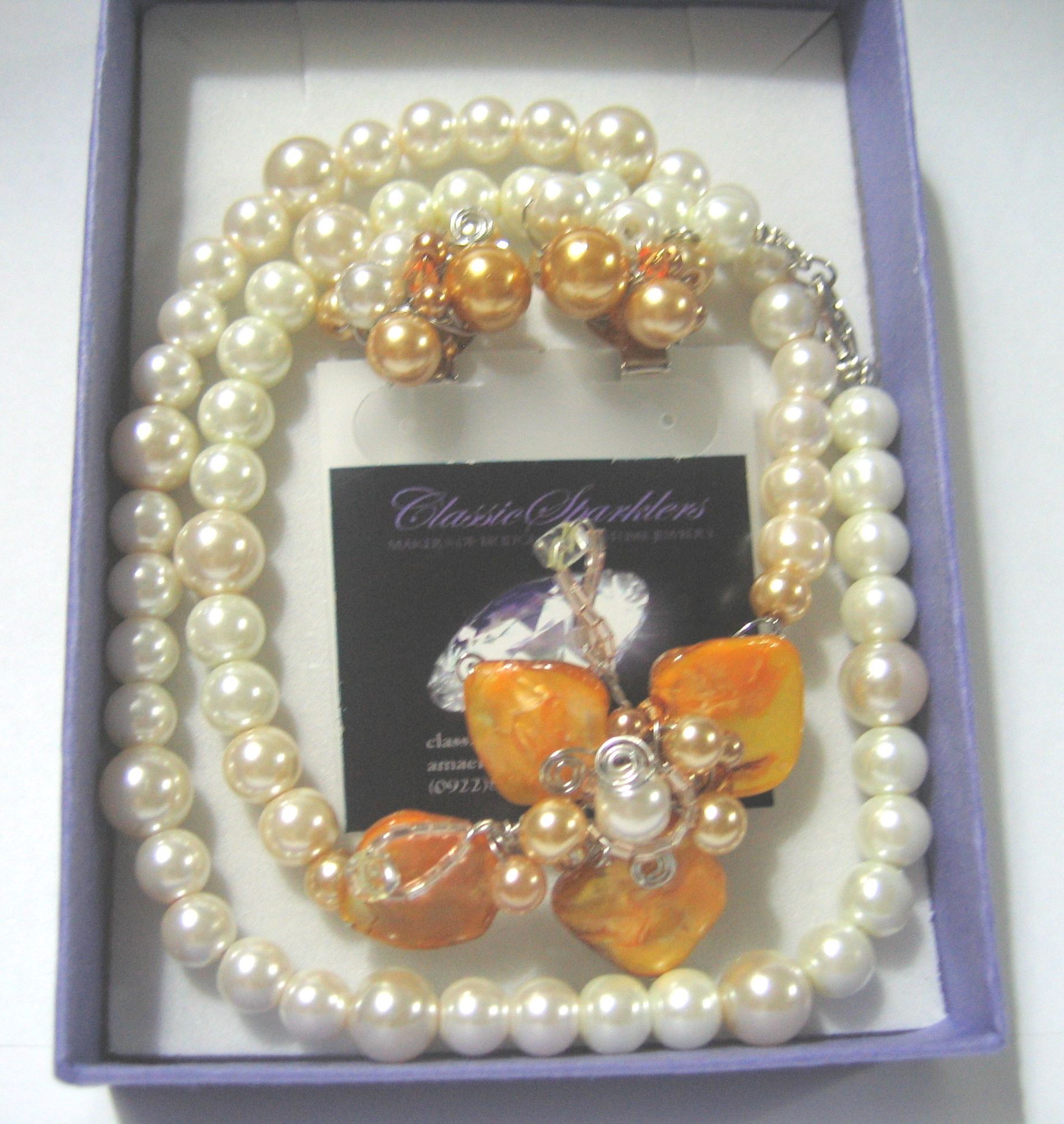
For her wedding coordinators, she asked me to create something in their favorite colors. I decided on a necklace. One was a detachable triple strand necklace, the other was a detachable double strand. Again, I can’t find the photos.
Then a few years after, our youngest girl cousin tied the knot, she also asked for my help.
For this wedding I made 150 rosary souvenirs
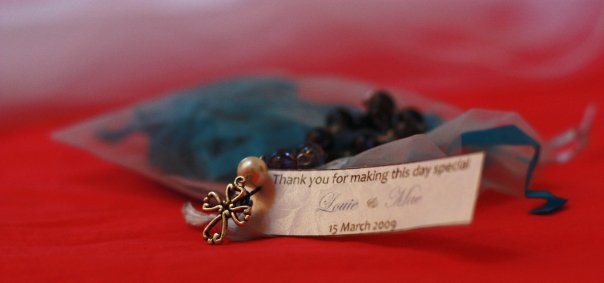
for the maid of honor
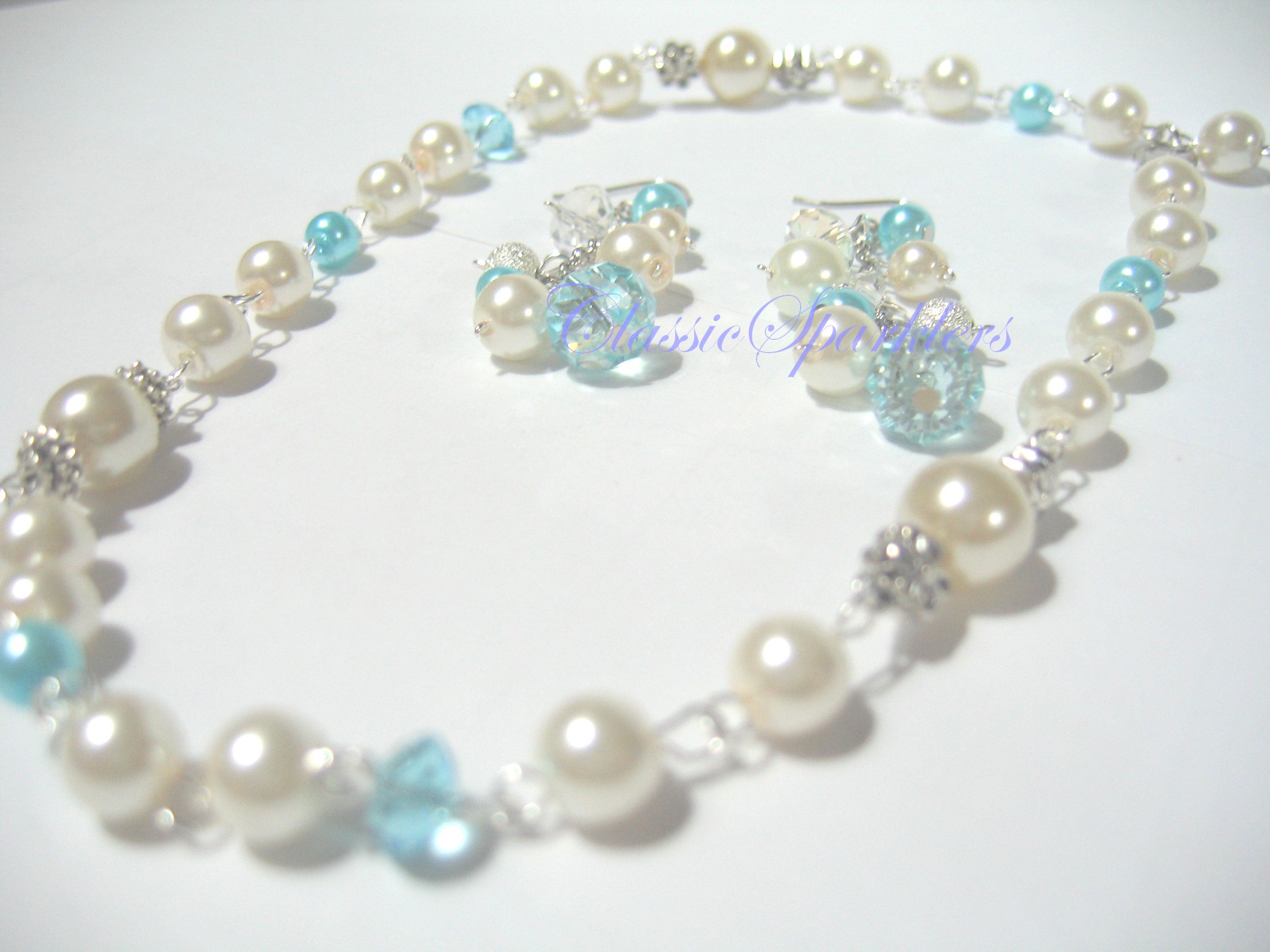
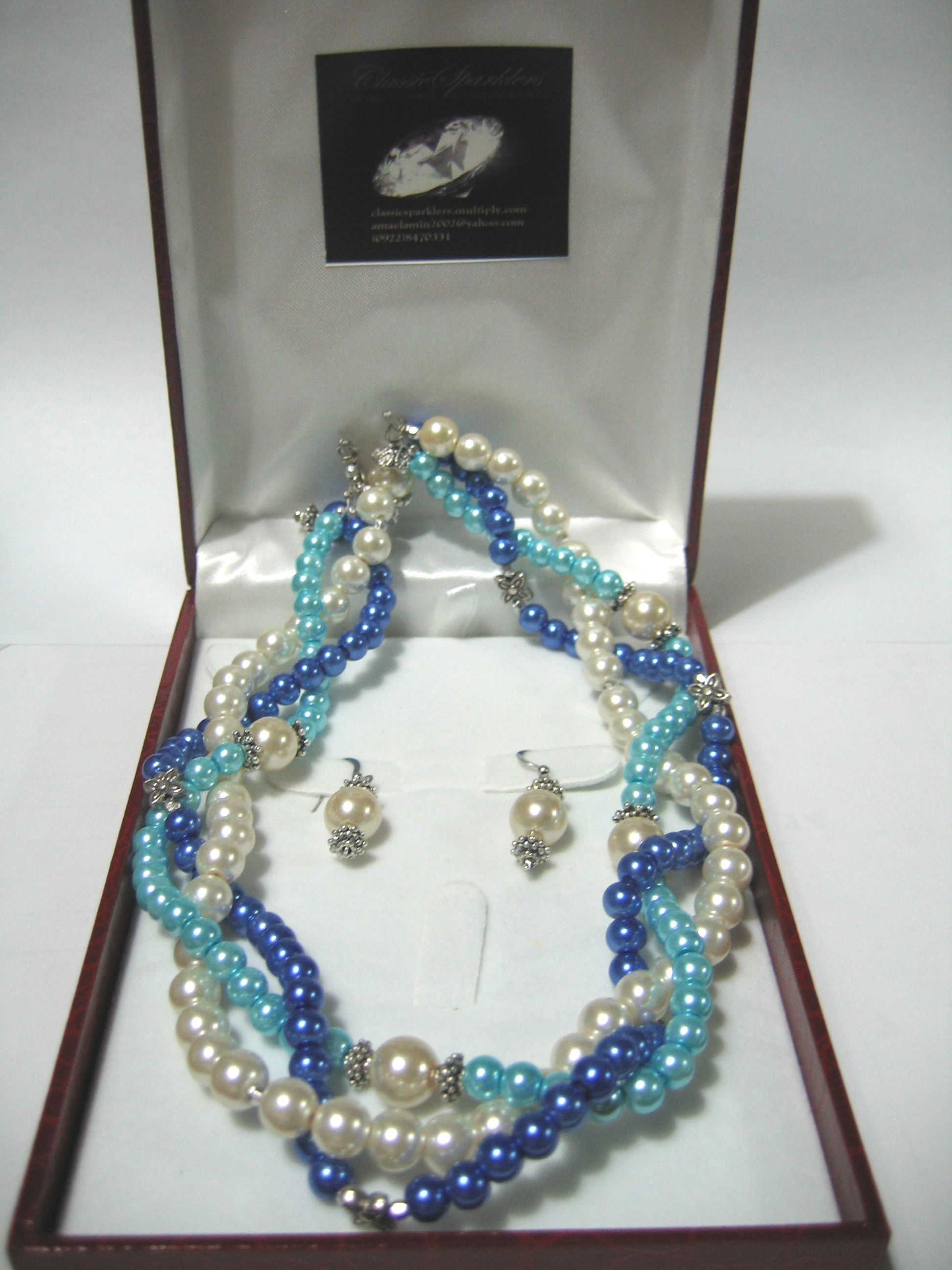
for the bride’s mother, my aunt
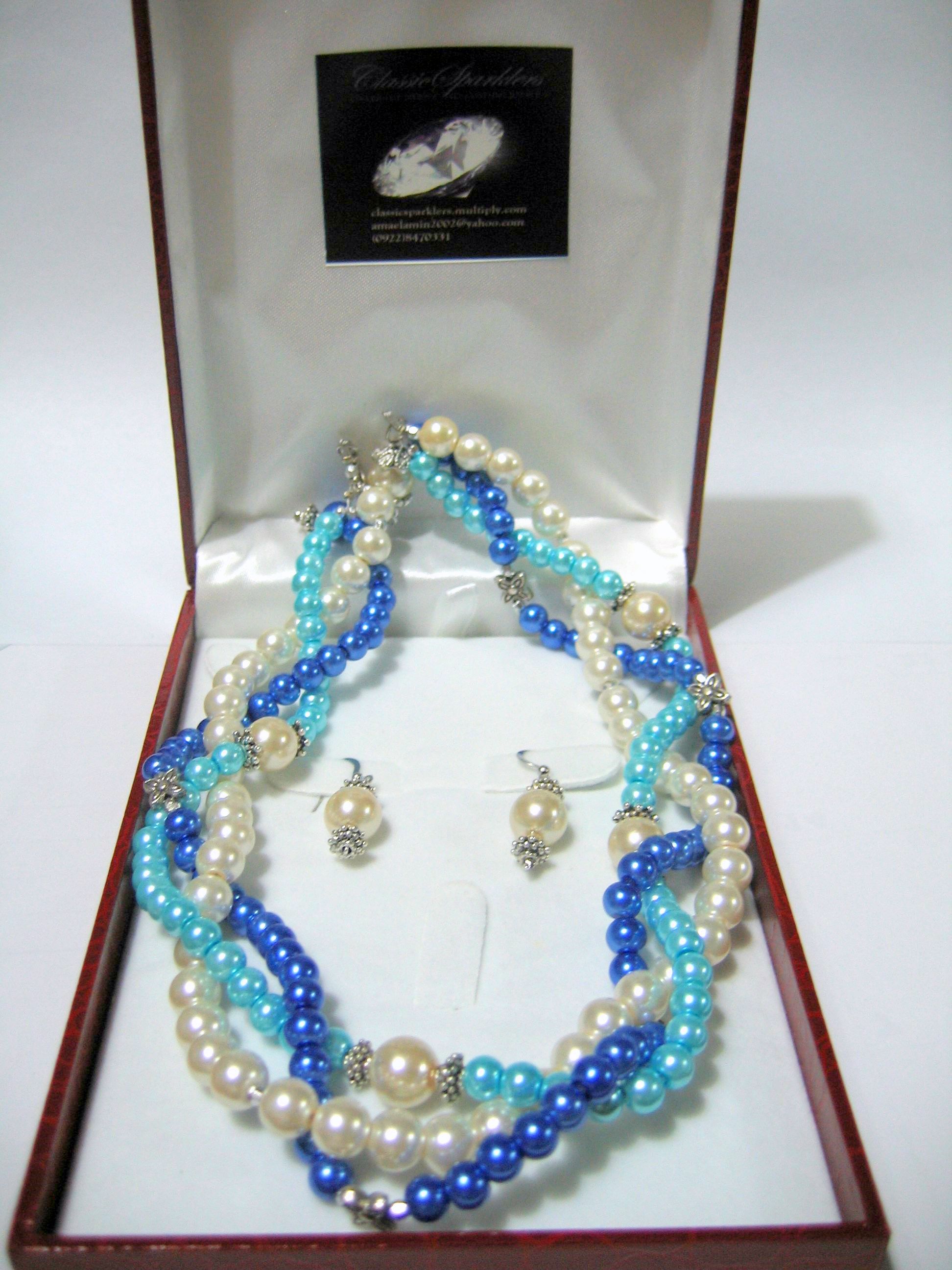
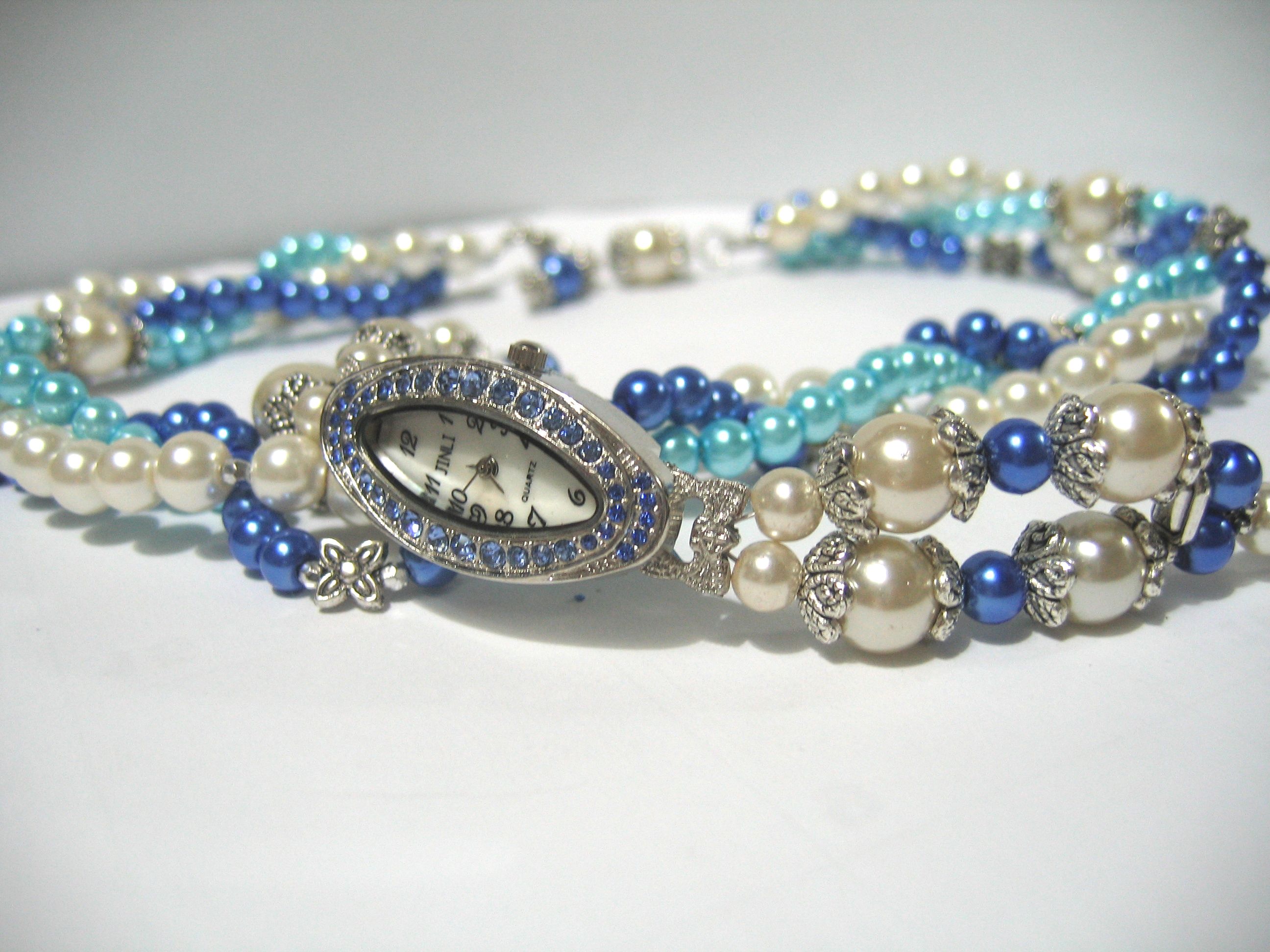
for the mother in law
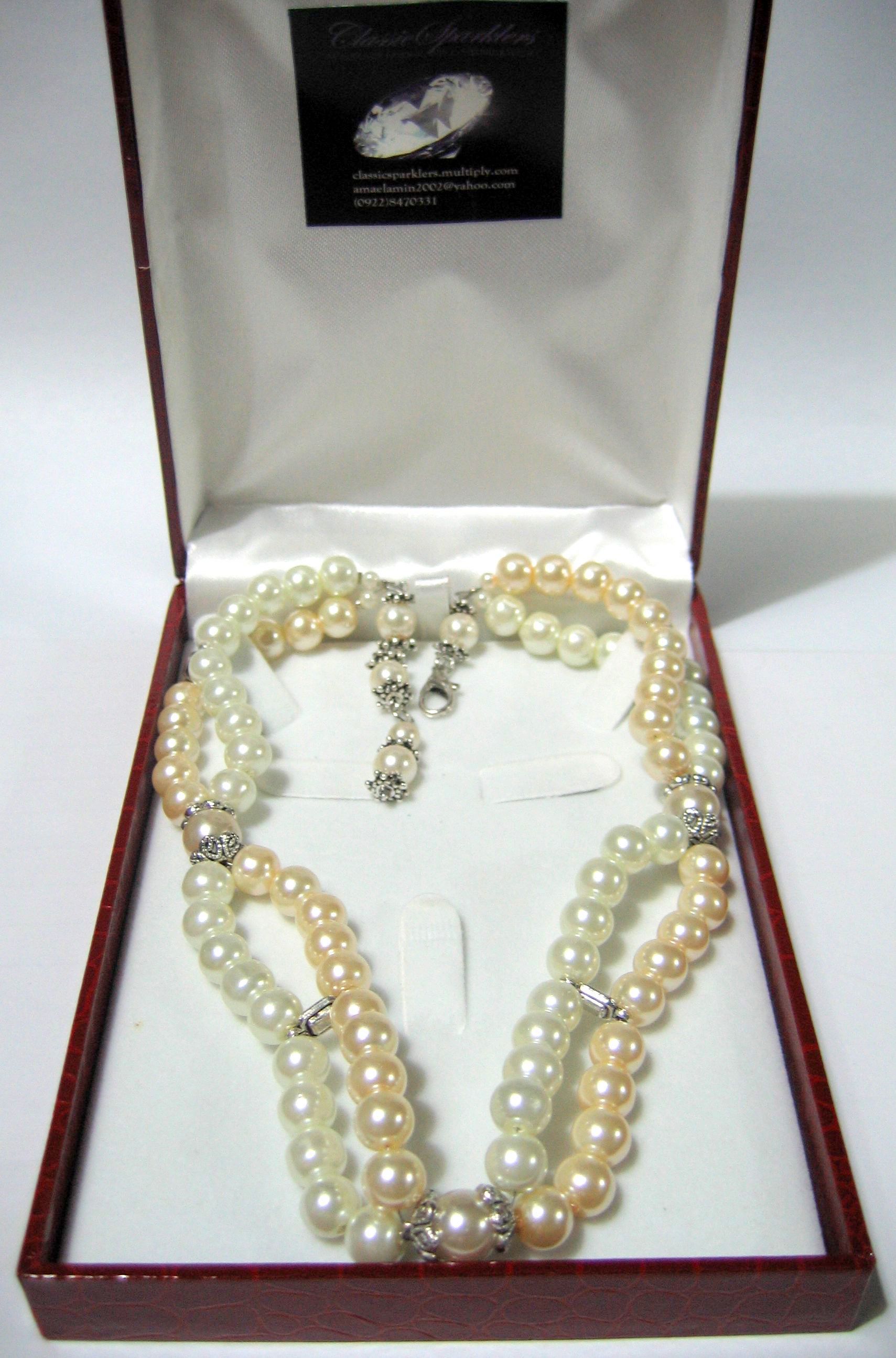
for the grandma
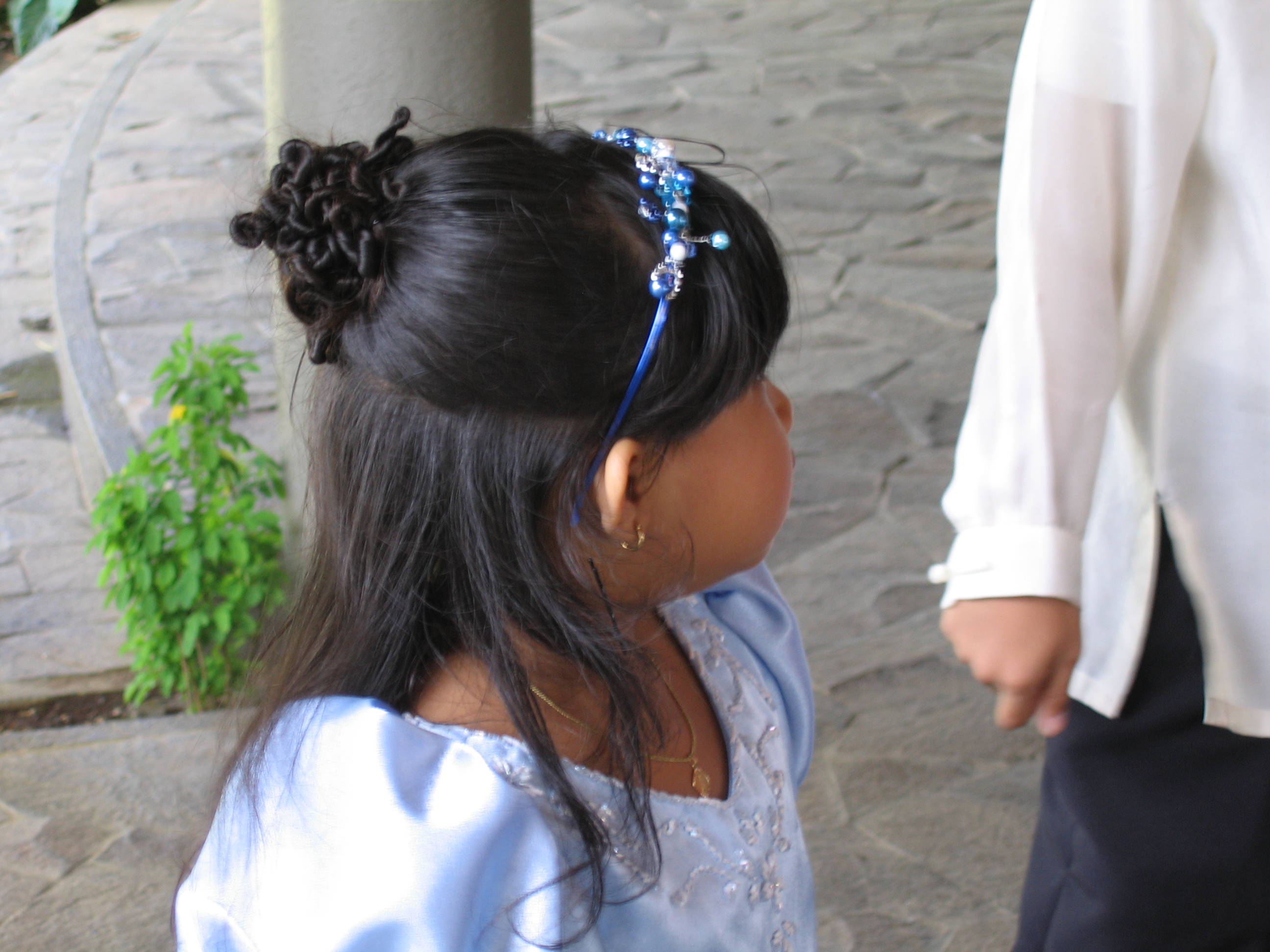
ornate headbands for the flower girls
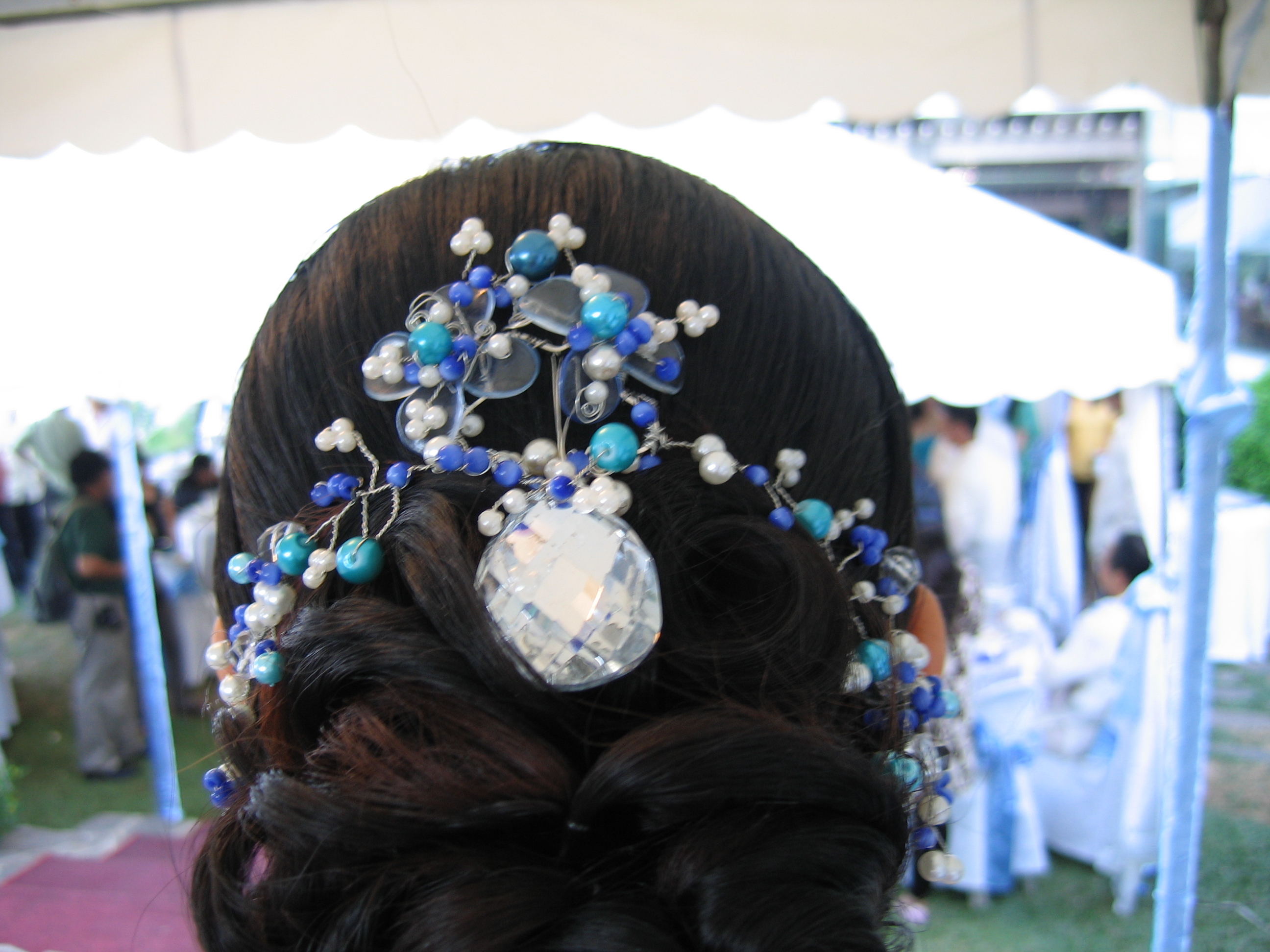
a hairvine for the bride
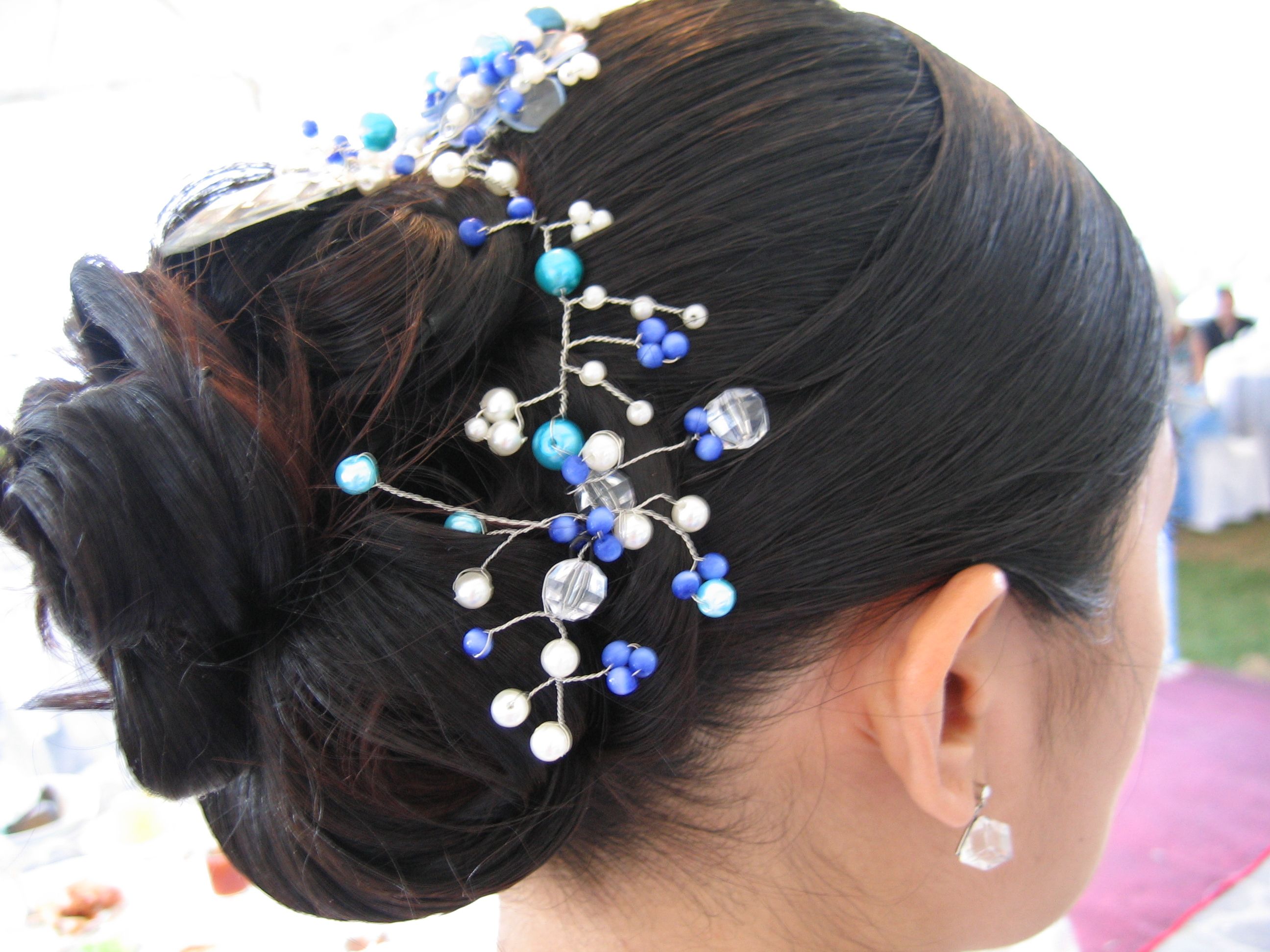
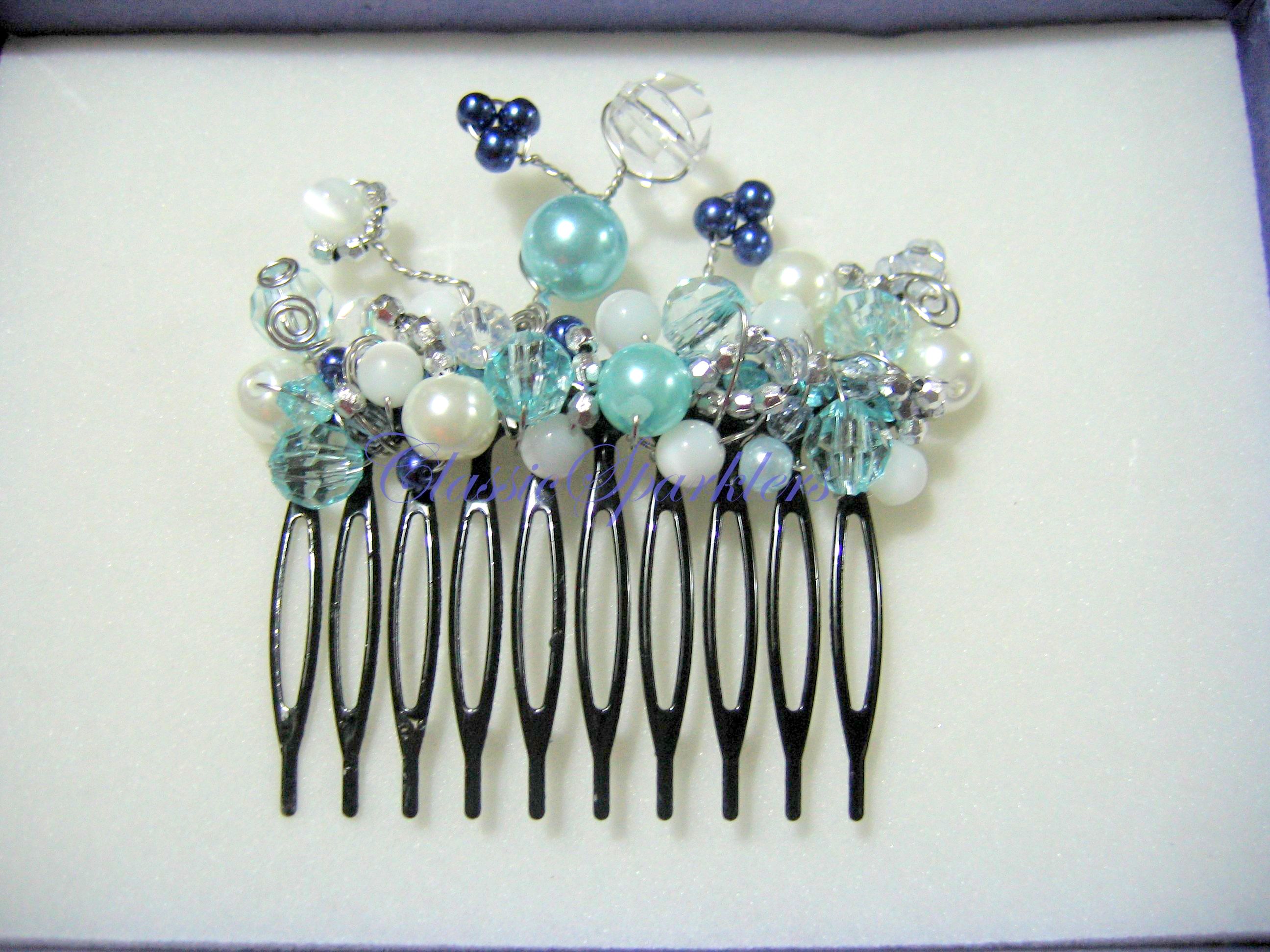
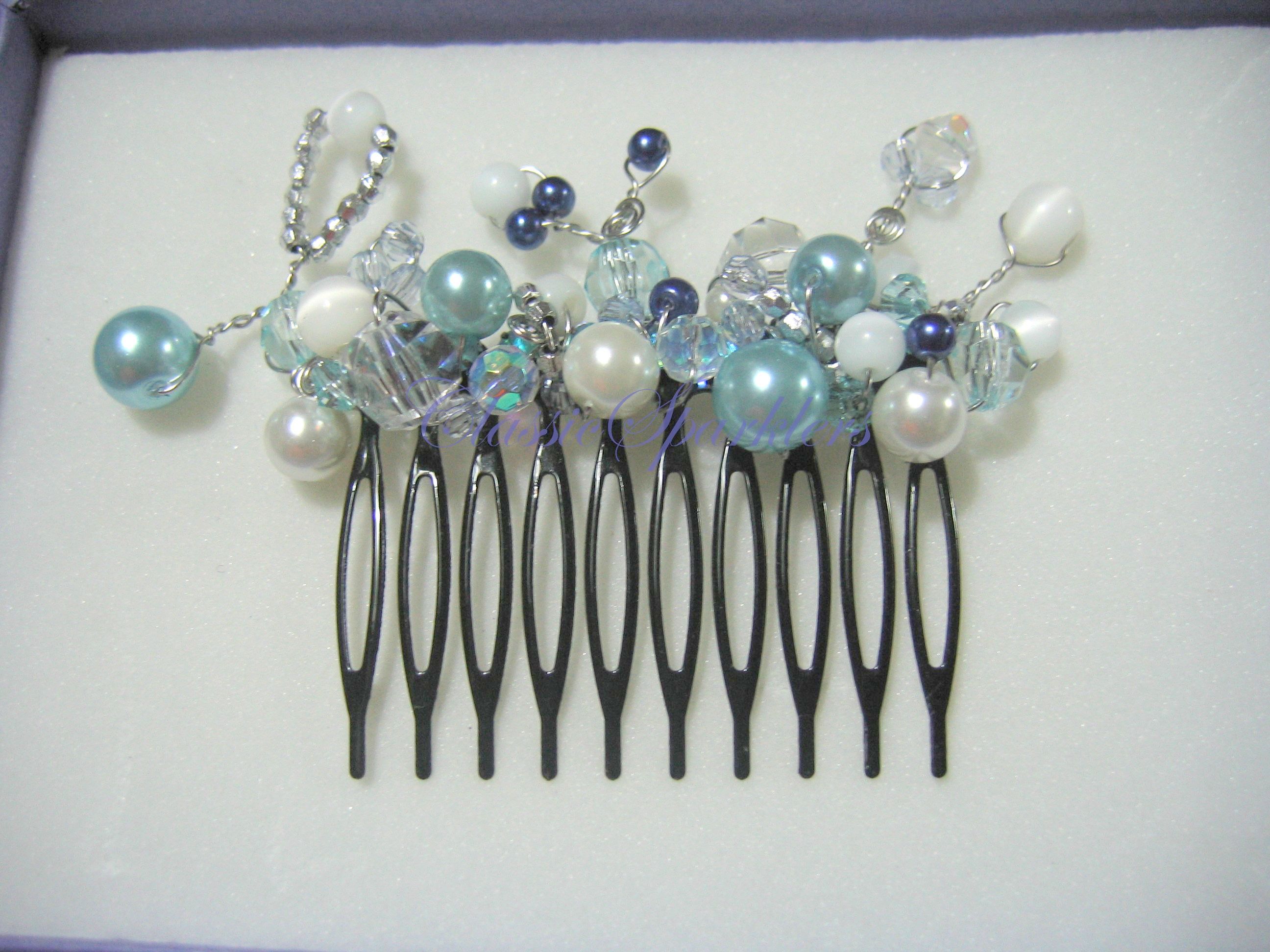
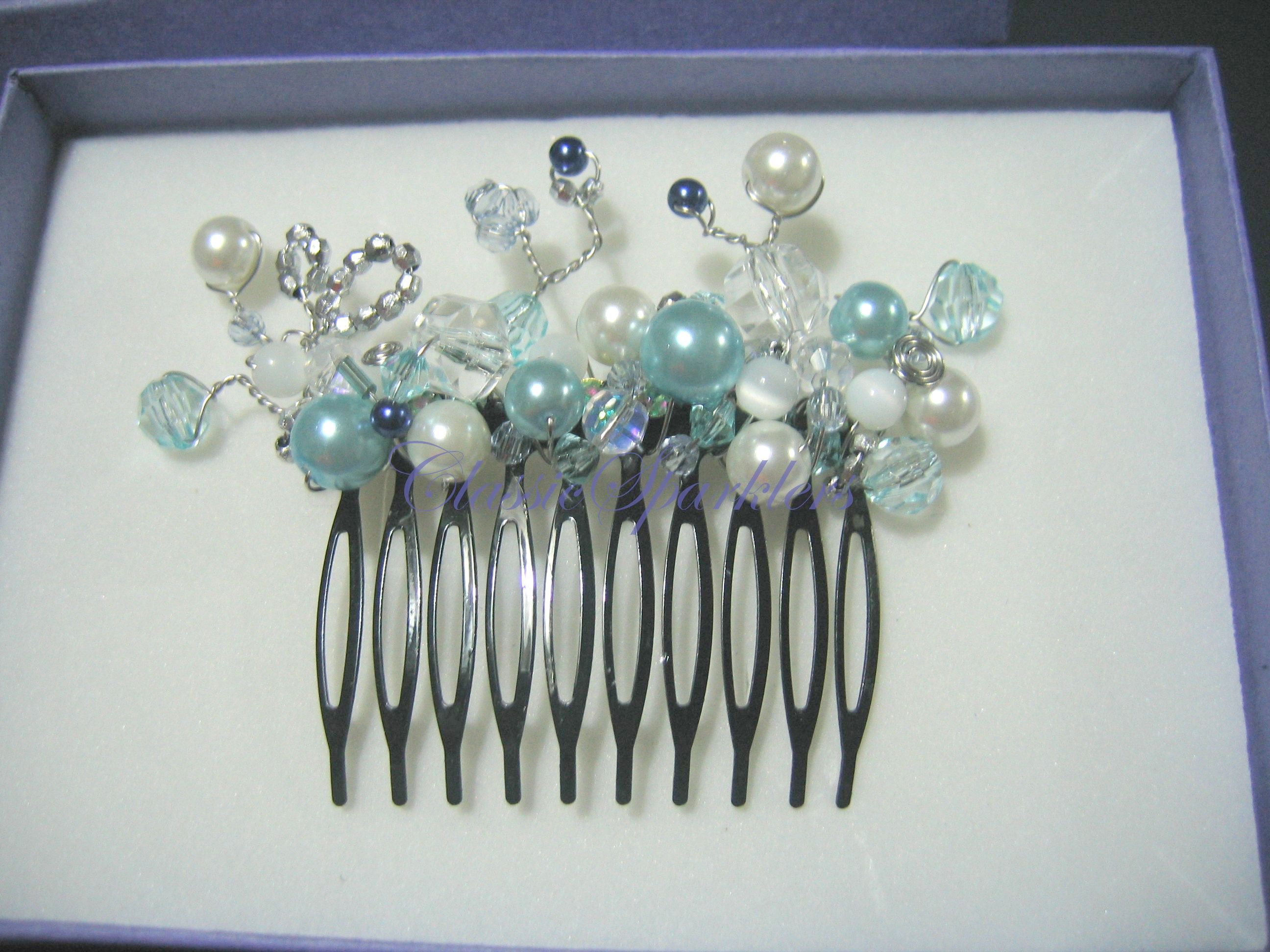
For the principal sponsors, I made wire-wrapped bookmarks and peinetas

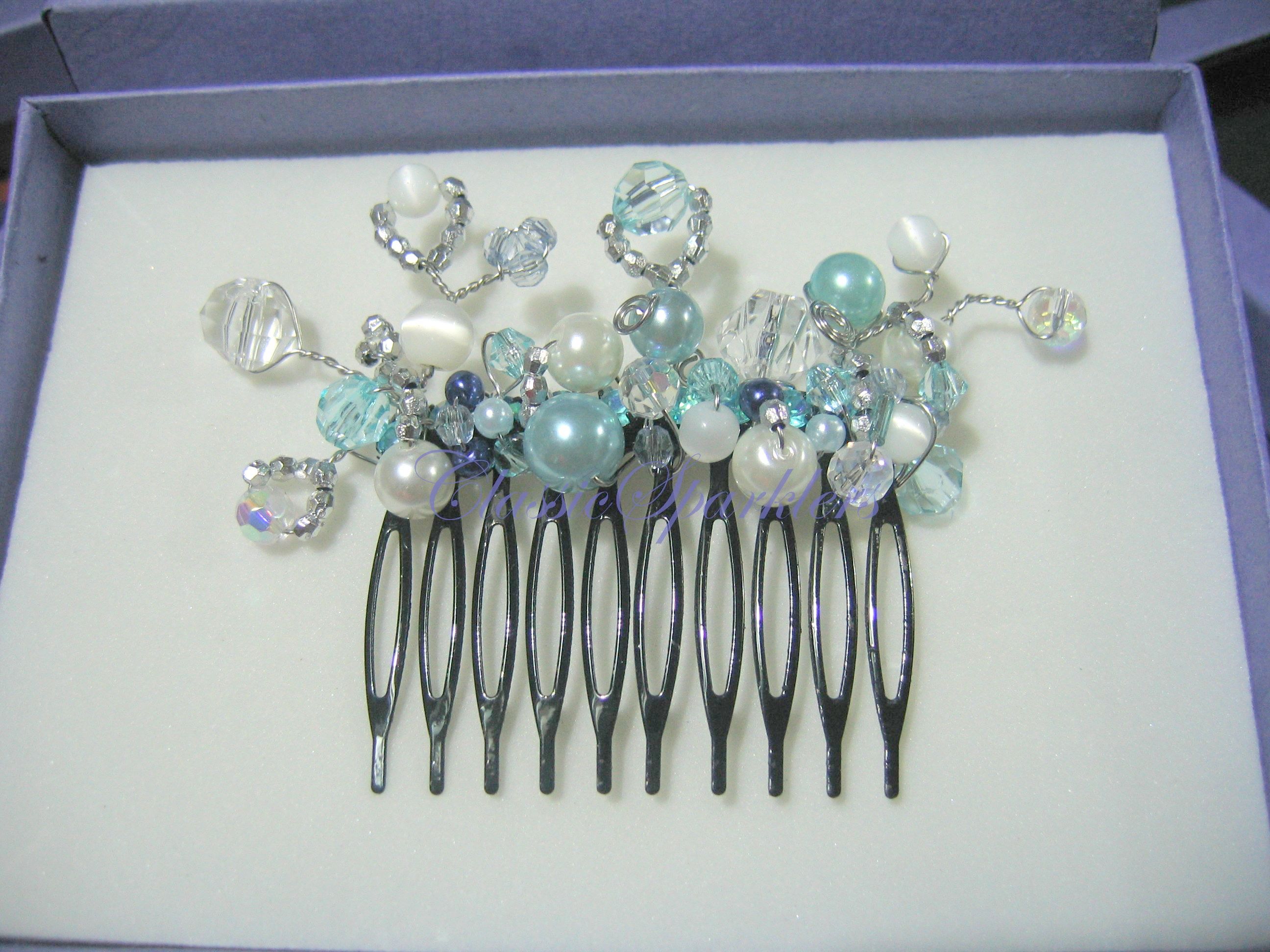
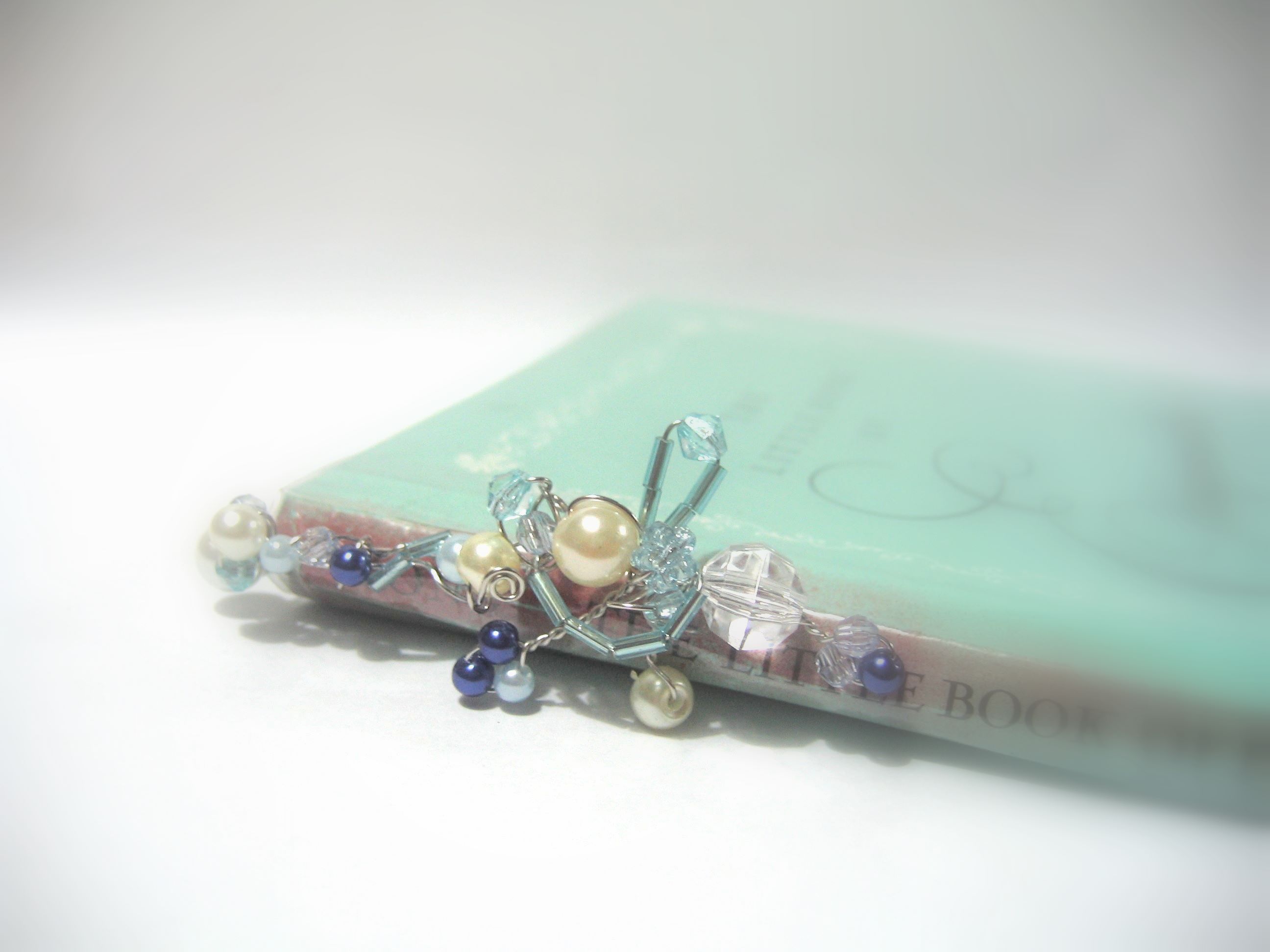
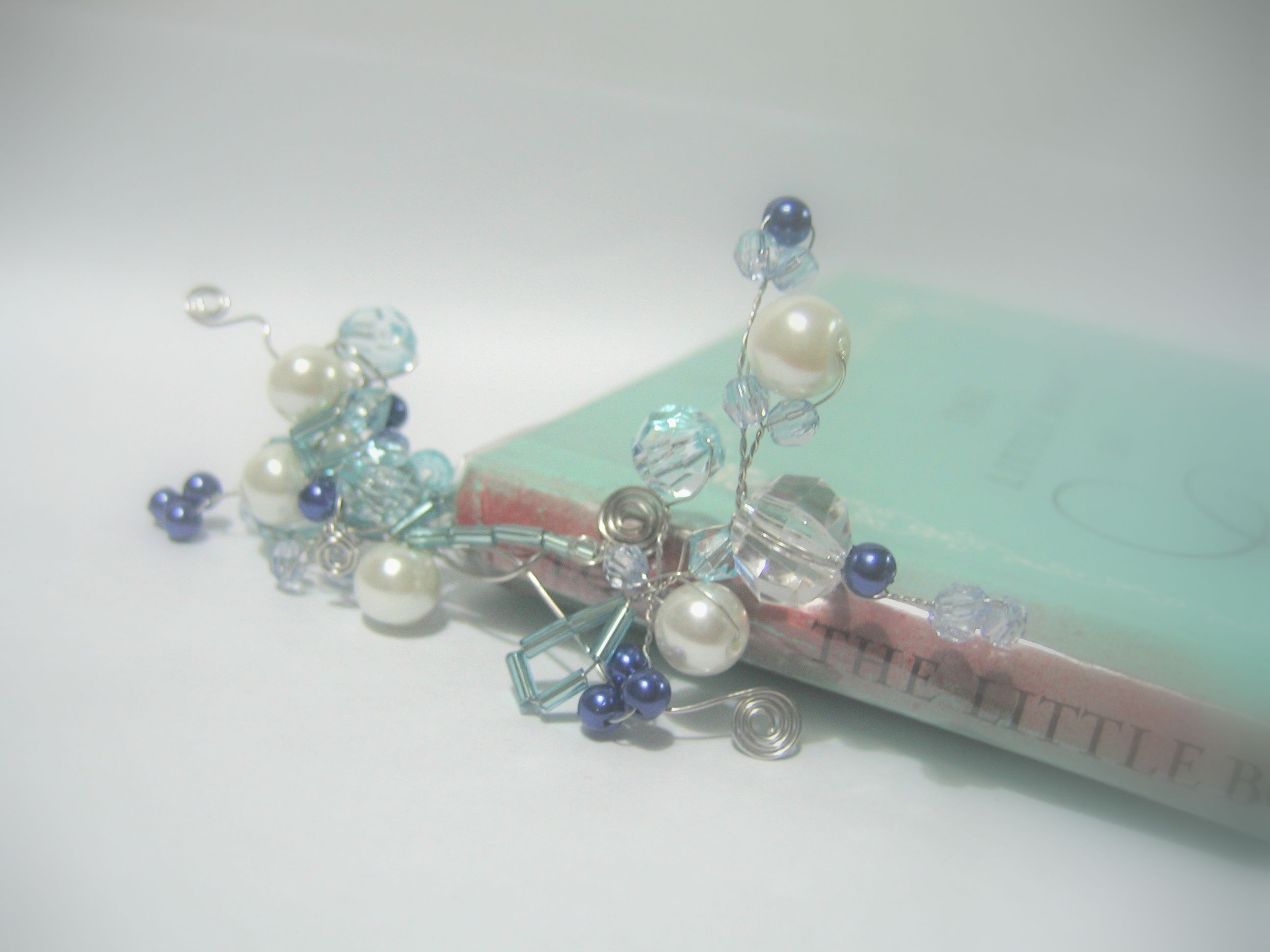
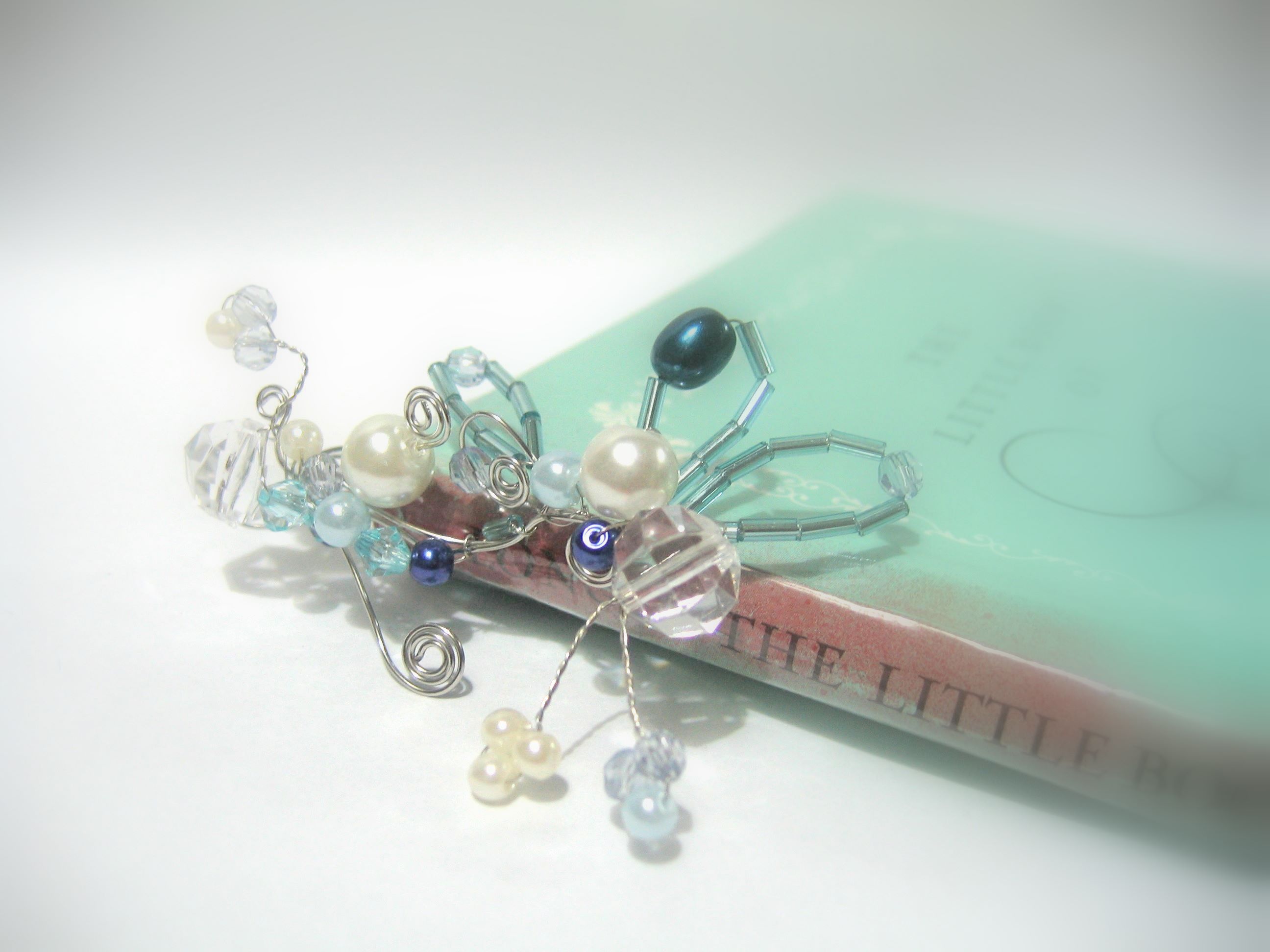
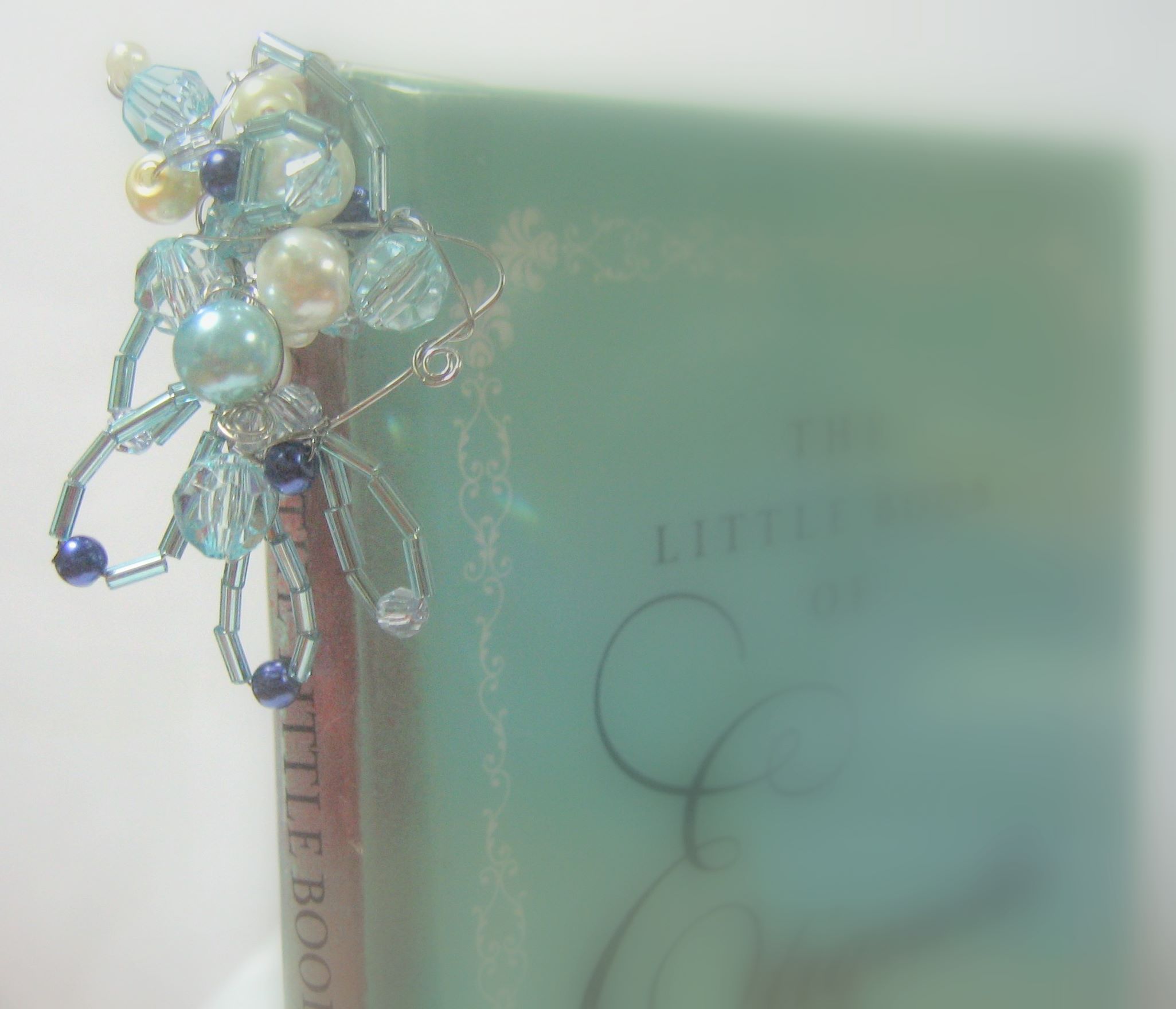
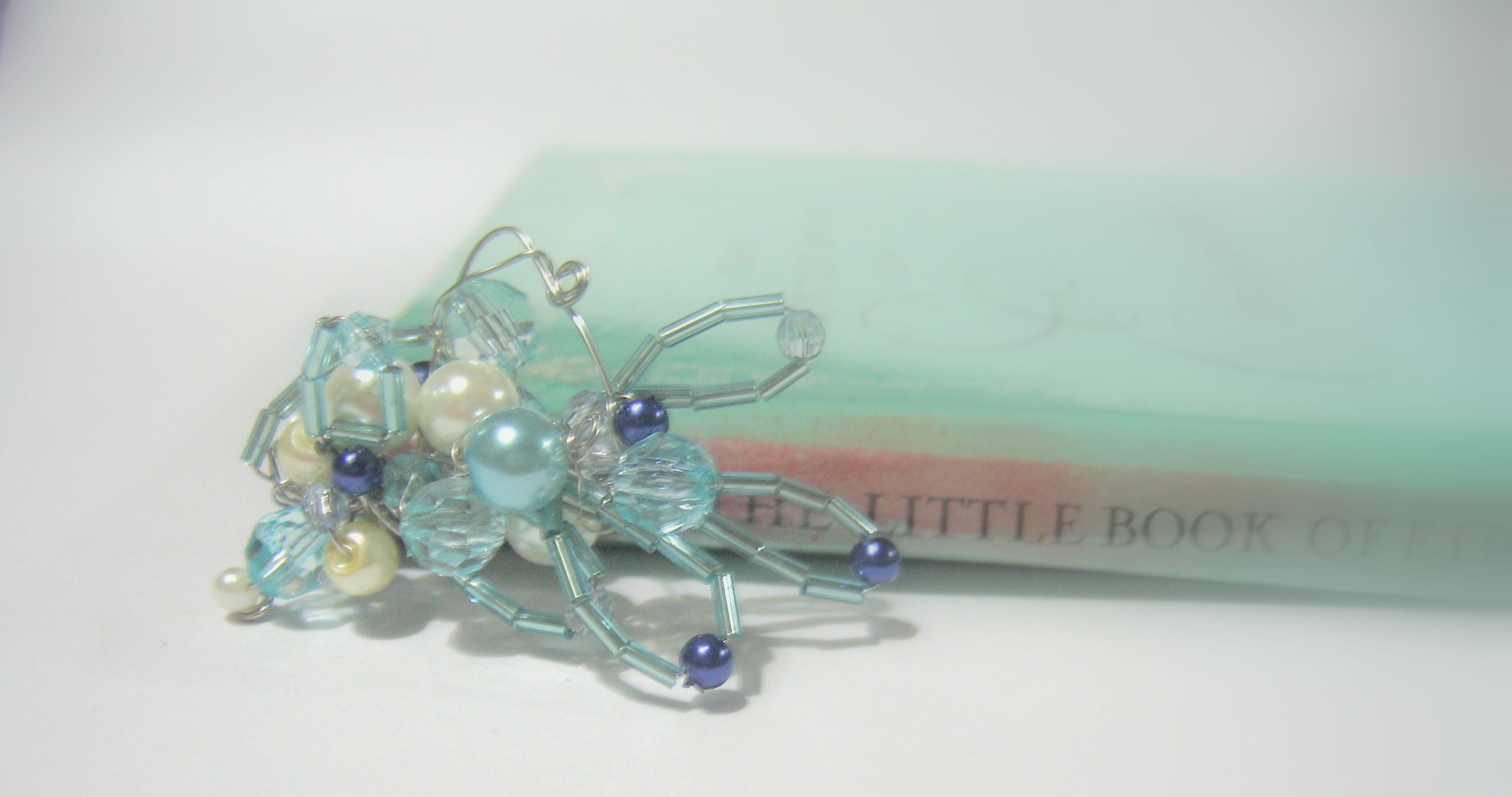
Last but not least, the wedding cord
to be continued……
Know your Gold
Yellow Gold
By far the most common color of gold used in jewelry, yellow gold is gold in its natural shade. Yellow gold is usually alloyed with copper and silver to increase the strength of the metal. How yellow the metal is depends upon the content of gold. A 14-karat piece of jewelry will have a brighter yellow hue than a 10-karat piece. Likewise, an 18-karat piece of jewelry will have a deeper yellow than 14-karat gold, and so on.
White Gold
Increasing in popularity in recent years, white gold has become fashionable as the preferred cool and contemporary look. White gold boasts the same properties as classic yellow gold, but achieves its white color by mixing with different alloys. In general, white gold is created when a nickel or palladium alloy (zinc and copper) is used. White gold may also be plated with an even whiter metal, such as rhodium, to enhance its cool appearance. As well, a white gold setting can enhance the rapture of white diamonds.
Rose or Pink Gold
Rose or pink-colored gold can be created by alloying copper with yellow gold. This hue of gold tends to have a pink, bluish tint that complements many skin tones.
Green Gold
This color variation of gold can be created by alloying silver, copper and zinc with yellow gold.
KARATS
Gold’s softness and malleability make it a wonderful metal to work with when creating virtually any design in jewelry. But this softness can be a drawback as well. To make it stronger and more durable, gold is usually alloyed, or mixed, with other metals such as copper or silver. The higher a metal’s percentage of gold content, the softer and more yellow the jewelry piece. The karat weight system used to measure gold in a piece is the same for all hues, including white and yellow gold.
The word “carat” is Arabic, meaning “bean seed.” This is because historically seeds were used to measure weights of gold and precious stones. In the United States, “karat” with a “k” is used to measure gold’s purity, while “carat” with a “c” is used in measuring a gemstone’s size. The karat mark of gold represents the percentage of pure gold to alloy.
24K is pure gold or 100% gold 21K is 21/24ths gold content or 87.5% gold
In the United States, jewelry with this karatage or higher is rare. It is far more common in Europe, the Middle East and Southeast Asia.
18K is 18/24ths gold content or 75% gold
This karatage is a popular high-end choice in the United States, Europe and other regions. Its popularity is spreading throughout North America.
14K is 14/24ths gold content or 58.5% gold
This is the most common gold karatage in the United States because of its fine balance between gold content, durability and affordability.
10K is 10/24ths gold content or 41.7% gold
This karatage is gaining popularity for its affordability and durability. Commonly used in everyday-wear jewelry such as rings, 10K gold beautifully withstands wear and tear. It is the lowest gold content that can be legally marked or sold as gold jewelry in the United States.
Gold Filled, Gold Plated & Vermeil
Alternative types of gold jewelry include gold filled, gold plated and vermeil. Over time, gold plating and vermeil will wear off, requiring re-plating.
Gold plating is an electrolytic process in which a gold coating of at least 10K gold with a minimum thickness is affixed to all surfaces.
Vermeil refers to mechanically bonding or electroplating gold with a minimum fineness of 10K over a base of sterling silver. Gold-filled jewelry consists of a layer of 10K gold or better mechanically bonded to the surfaces of a base (non-precious) metal. This layer of 10K gold must be a minimum of 1/20th of the total metal weight to be called gold filled.
*originally posted here
What a nice surprise!
After coming home today from a baptism, this is what greeted me as soon as I opened my email:
 what was featured here was my Winter Sonata rock crystal and crocheted sterling silver earrings 🙂
thanks, suziboutique!
Birthstones Part II (July-December)
July – Ruby
The red ruby represents passion, desire, achievement and strength. Ruby is also a gemstone of mystery and can evoke strong emotions of love, strength, leadership and power.
August – Peridot
As one of the emerald colors, peridot is a beautiful gemstone that represents mystery, passion, beauty and enchantment. If you’re a trendsetter or forward-thinker, this could be a gemstone for you. Peridot can also symbolize money, power and justice.
September – Sapphire
A calming, soothing and beautiful stone, sapphire represents confidence, wisdom, strength and idealism. It is uplifting and can evoke strong feelings of love, harmony and peacefulness. If you have a peaceful but strong personality, this may be your gemstone!
October – Opal
Opal is considered to be a mystical gemstone and is commonly found as black opal, dark grey or a dark blue. Black opal is the rarest, but it can also be found in fiery colors such as orange, red, and yellow. It is considered to be the stone of good luck and fortune, and has healing properties that can ward off bad dreams and increase energy.
November – Yellow Topaz
Another “strength” stone, topaz is a yellow or brown “royal” stone that can balance emotions, calm passion and release tension. It is also considered to be the gemstone of rejuvenation, and can be used to relieve mental pressure.
December – Blue Topaz
One of the most attractive green-blue stones, turquoise represents wealth, happiness and strength. It is considered to have healing properties and can ward off illness, but ultimately serves as a stone of happiness and good fortune.
Birthstones (Part 1: January-June)
In the bazaars I’ve joined in the past, clients would always ask if I had birthstone jewelry available. This frequent request (also true with online orders) has made me decide to create and maintain a collection of birthstones. Included in my packaging are descriptions of the collection as well as the meaning of each, which I will share with you in this entry.
January (Garnet/Emerald)
Red garnet is thought to help with prosperity. Facilitates night vision, ensures success, and provides guidance, protection, purification, and warmth. The ancient Egyptians believed that garnets could purify the body of various types of toxins. It is also the traditional anniversary gemstone for the second year of marriage.
A Greek myth tells the story of Peresphone, the young goddess of sunshine, who was abducted by Hades, god of the underworld. The devil eventually released her, but not before he offered her some pomegranate seeds, which she ate and which guaranteed her return to him. Thus garnets have come to represent fidelity and commitment
However, if you do not want a red stone, the mystical birthstone for January is Emerald.
February (Amethyst)
Found in varying shades of purple, the amethyst represents royalty, piety, and sobriety. This gemstone is given as a sixth anniversary gift in addition to symbolizing sincerity and stability. Amethyst is symbolic of piety, spirituality, and a devotion to God. The intense violet hue of February’s birthstone appealed to early monarchs, perhaps because they often wore this color as a symbol of their elevated position. Purple dye was once scarce and expensive, so it was reserved for the garments of royalty, and the color came to symbolize power and status.
The Greeks believed that whoever wore an amethyst or drank from an amethyst cup would not become intoxicated. In fact, the word amethyst is derived from the Greek word “amethystos,” meaning sober. In ancient Greece, the gemstone was associated with the god of wine, and it was common practice to serve this beverage from Amethyst goblets in the belief that this would prevent overindulgence.
March (Aquamarine)
The accepted anniversary gem for the 19th year of marriage. Created by combining Latin words for water (aqua) and sea (mare), aquamarine does indeed resemble the bottomless blue of seawater. As a gift, aquamarine is unsurpassed in its legendary abilities to preserve and enhance mutual love, to ensure truth in relationships and to maintain a good marriage. aquamarine is believed to release anger and negativity replacing them with mental peace and clarity, providing emotional and mental balance. It has been used as an aid in meditation and to assist in self-expression.
Ancient Romans believed the magnificent gemstone was sacred to Neptune, the god of the sea. Some legends say that it was gift from mermaids, while others suggest that Neptune retrieved it after it fell from the jewel boxes of sirens and washed onto shore. Early sailors wore aquamarine talismans, engraved with the likeness of Neptune, as protection against dangers at sea. The association with water led to the belief that the Aquamarine was particularly powerful when immersed. Water in which this gemstone had been submerged was used in ancient times to heal a variety of illnesses of the heart, liver, stomach, mouth and throat
April (Diamond)
Enhances competence, trust and love. It also the anniversary gem for the 10th and 60th years of marriage when eternity bands and other diamond-detailed rings replace original wedding bands. The word Diamond is derived from the Greek word “adamas” which means “hardest metal” which reflect the property of the stone. It is associated with enhancing relationships and increasing inner strength. The Traditional Metaphysical Properties for the April Birthstone Diamond are balance, clarity and abundance.
The ancient Greeks believed that diamonds were splinters of stars fallen to earth. It was even said by some that they were the tears of the Gods or perhaps crystallized lightning or hardened dew drops. In fact, the exact origin of diamonds is still something of a mystery, even to scientists and geologists.
MAY (Emerald)
Symbolizes serenity and peace of mind. It also the anniversary gemstone for the 20th and 35th years of marriage. Some people believe wearing an emerald brings wisdom, growth…patience. It is perhaps this last attribute that may explain why a gift of emerald for an anniversary — or any occasion — is symbolic of love and fidelity. The Emerald is also used to enhance mental capabilities.
The word “emerald” is a variation of the Greek word “smaragdos,” which means “green stone”.
JUNE (Pearl/Moonstone)
The Pearl is given on the 1st, 3rd, 12th, and 30th wedding anniversaries. The symbolic meaning of the color white is purity and virtue. The Traditional Metaphysical Properties for the June Birthstone Pearl are modesty, chastity and purity. The Pearl is also used to enhance personal integrity. The traditional color associated with the Pearl is the milky white color and was strongly favored as a popular gem in Victorian jewelry.
You don’t need a fancy camera.
One thing about online retail stores is providing beautiful, if not outstanding shots of your products. For me, this is always a challenge. Apparently, I’m not the only one with this dilemma. A fellow member of DTeam (one of the teams in etsy) blogged about it today. Here is an excerpt of her entry:
1. Learn what the words in italics mean and how you can use them to get closer to a better photo.
2. Say NO to flash! Especially around shiny jewelry.
3. Cloudy days may not be good for a trip to the beach, but they’re great for outside photo shoots.
4. A simple background will make your stuff POP!
5. Macro, macro, macro! Find that tiny flower button and use it when you want a close-up.
6. Better no props, than the wrong props.
7. I know, it’s been said before – get a tripod or make your own (on my Santa list).
8. If you really don’t feel like taking pictures, then don’t – they’ll just end up crappy.
9. Don’t spend your money on the most expensive camera you can find, you won’t know what to do with it.
10. Consider taking a photography course (it’s on my to do list too).
11. If your camera really is possessed by an evil genie, try bartering some of your stuff to photography students in exchange for their services: they need a portfolio, you need good pictures.
12. If you have a day job or don’t have the time to take your photos in daylight, you can make your own light box or light tent . Of course, you could also buy one, but where’s the fun in that?
I agree with everything she said.
When it’s time for a photoshoot (for purposes of this blog, it exclusively means “taking photos of finished products/items ready to be posted”), make sure that all my materials are ready: the background, lighting, the environment, and most especially, my camera.
Unless the earring or necklace is made up of rock crystal, clear crystals, or any transparent and clear gemstone, I will use a black background.
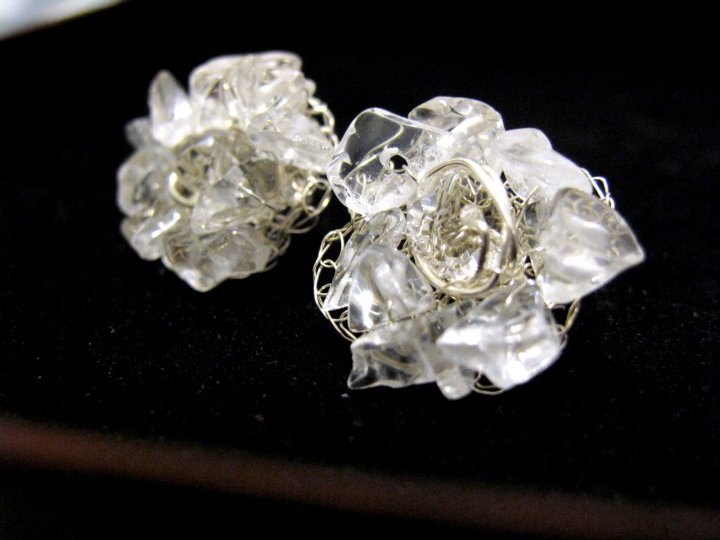
However, more often than not, I find it too much of a contrast, so I will shift to placing them on top of my mother of pearl boxes. To add dimension, I will add a few more boxes in the background.
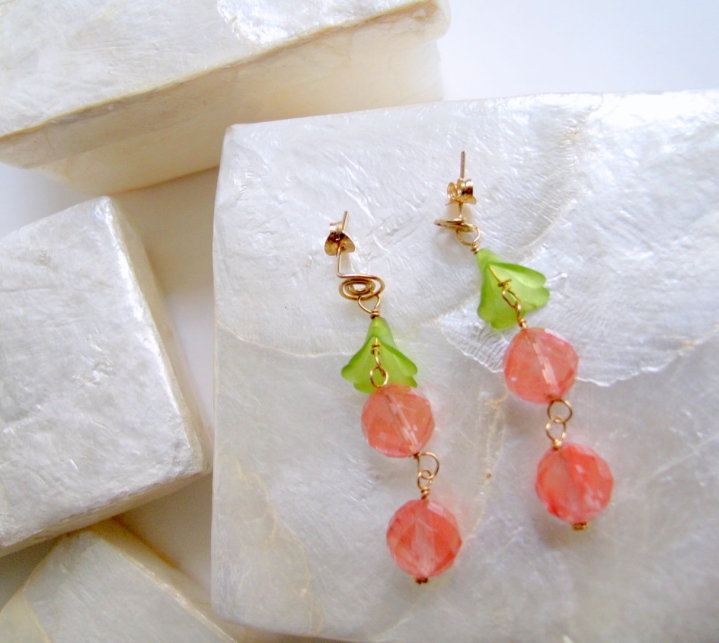
For the lighting, I’ve experimented with bright lights, mood lights, and natural light. The best lighting for me is natural light with a bit of mood light (soft yellow). This, however, creates shadows. When this happens, I just use the zoom of my camera.
The environment sometimes has an effect on the lighting. This is the time I move around, everywhere and anywhere I could find a nice space for the shoot.
Last and not least, I always make sure my camera is fully charged and that the memory card is empty. I always take a gazillion (ok, that’s an exaggeration) of shots. You can edit later on.
Gold prices are up!!!!!?!!!!
I went to my supplier today to buy my gold and silver wire. You see, whenever I go on buying sprees for my jewelry, I prepare a list of what to buy and only bring enough money. Sometimes to the exact centavo. I asked for the usual and almost had a heart attack when she rang up the bill!!!!
She explained that gold prices have increased internationally, and if gold goes up, so does silver.
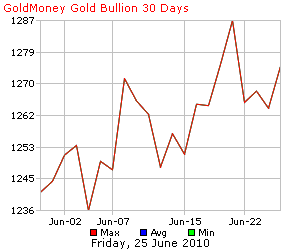
Yikes! I should have bought more during my last purchase, which was about two weeks ago!!!
I really panicked because there were other things I still needed to buy……


 classicsparklers.com